©

2025

Systemising innovation: A universal creative language for the University of Hertfordshire

Brainstorm partnered with the University of Hertfordshire to engineer a research-led design system that demystifies creative thinking across science, engineering, and the arts.

"Can creativity be learned?" This central question drove the initiative. The University of Hertfordshire needed to prove that innovation is not exclusive to the arts, but is a critical skill requiring critical thinking across science, engineering, and business. Our mission was to move beyond aesthetics to create a meaningful, research-backed system that equipped students and young professionals with the tools necessary to excel in the modern job market.

Services

Brand Identity
Graphic Design
Web Design
Internal Communications
Academic Research.

Systemising innovation: A universal creative language for the University of Hertfordshire

Brainstorm partnered with the University of Hertfordshire to engineer a research-led design system that demystifies creative thinking across science, engineering, and the arts.

"Can creativity be learned?" This central question drove the initiative. The University of Hertfordshire needed to prove that innovation is not exclusive to the arts, but is a critical skill requiring critical thinking across science, engineering, and business. Our mission was to move beyond aesthetics to create a meaningful, research-backed system that equipped students and young professionals with the tools necessary to excel in the modern job market.

Services

Brand Identity
Graphic Design
Web Design
Internal Communications
Academic Research.

Date

Dec 2025

Date

Dec 2025

Date

Dec 2025

Client

University of Hertfordshire

Client

University of Hertfordshire

Client

University of Hertfordshire

Industry

Education

Industry

Education

Industry

Education

Timeline

3 Months

Timeline

3 Months

Timeline

3 Months

The Challenge

The University required a unified framework that could translate the abstract concept of "innovation" into a practical tool for seven distinct academic faculties.

The target audience was vast and varied, spanning departments from Medicine and Architecture to Computer Science and Business. The challenge was to design a system that appealed to these divergent academic tastes while serving a dual marketing purpose: internally, to engage current students in collaborative problem solving; and externally, to position the University at the forefront of creative thinking for prospective professionals. The solution had to be meaningful rather than just cosmetic, functioning as a legitimate tool for learning.

The Solution

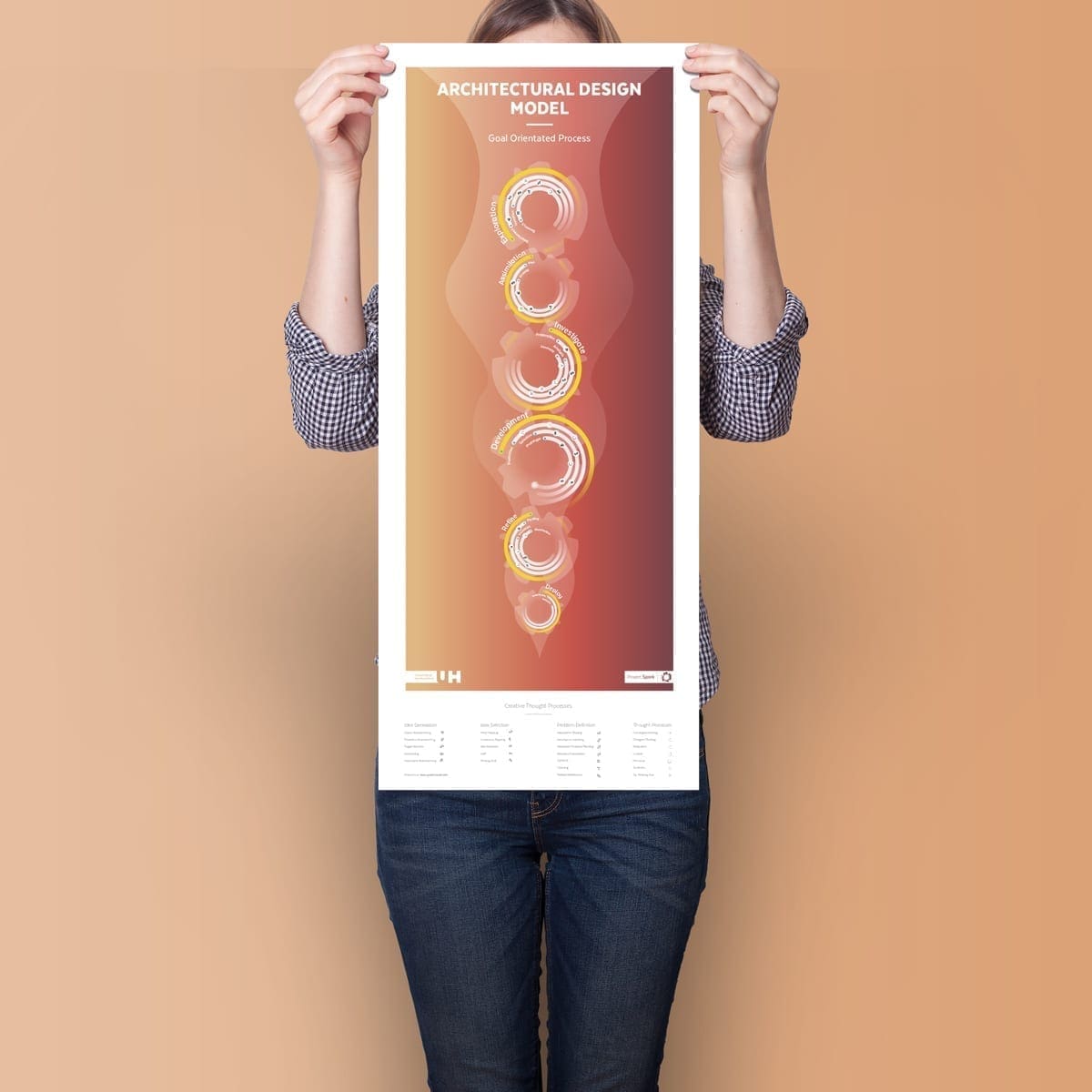
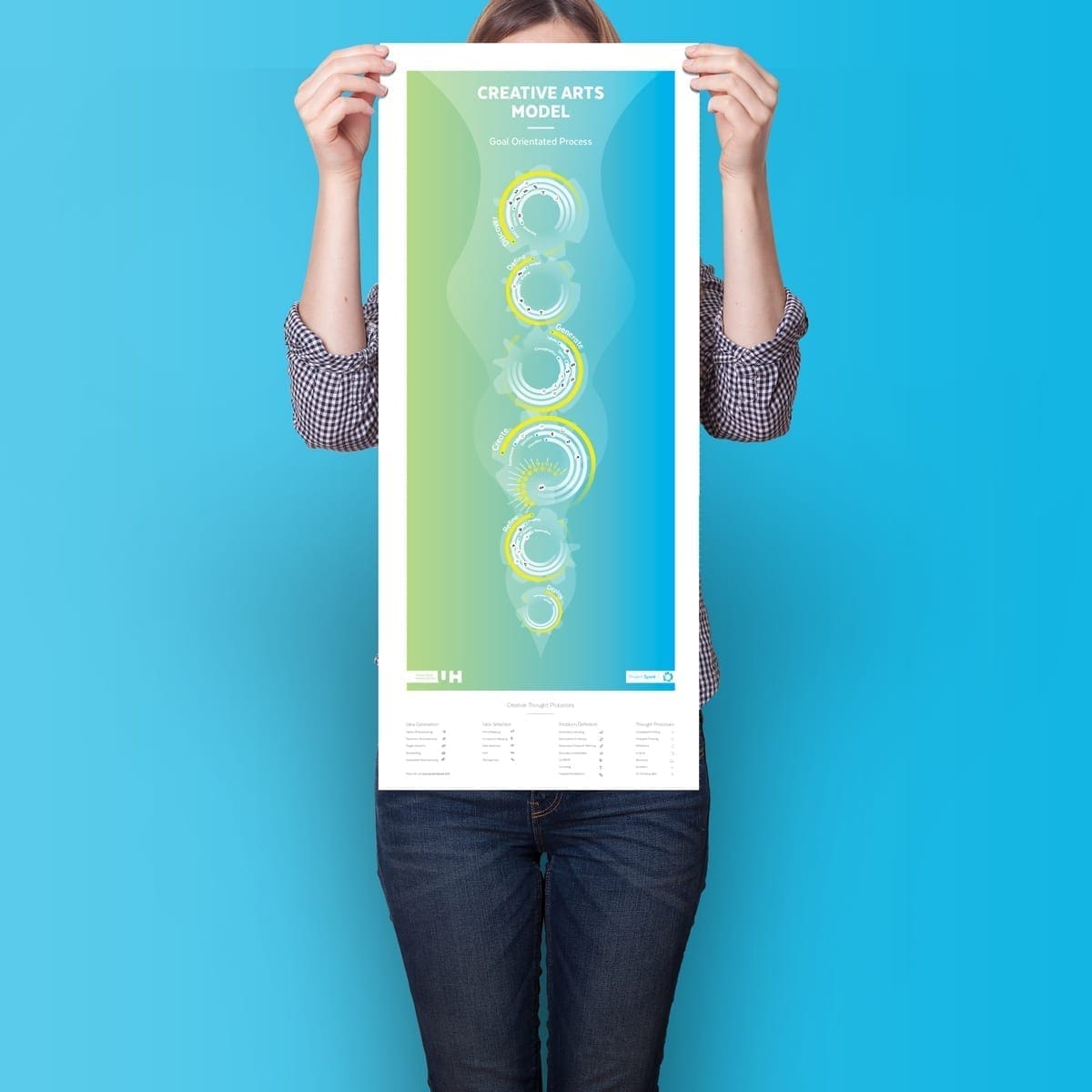
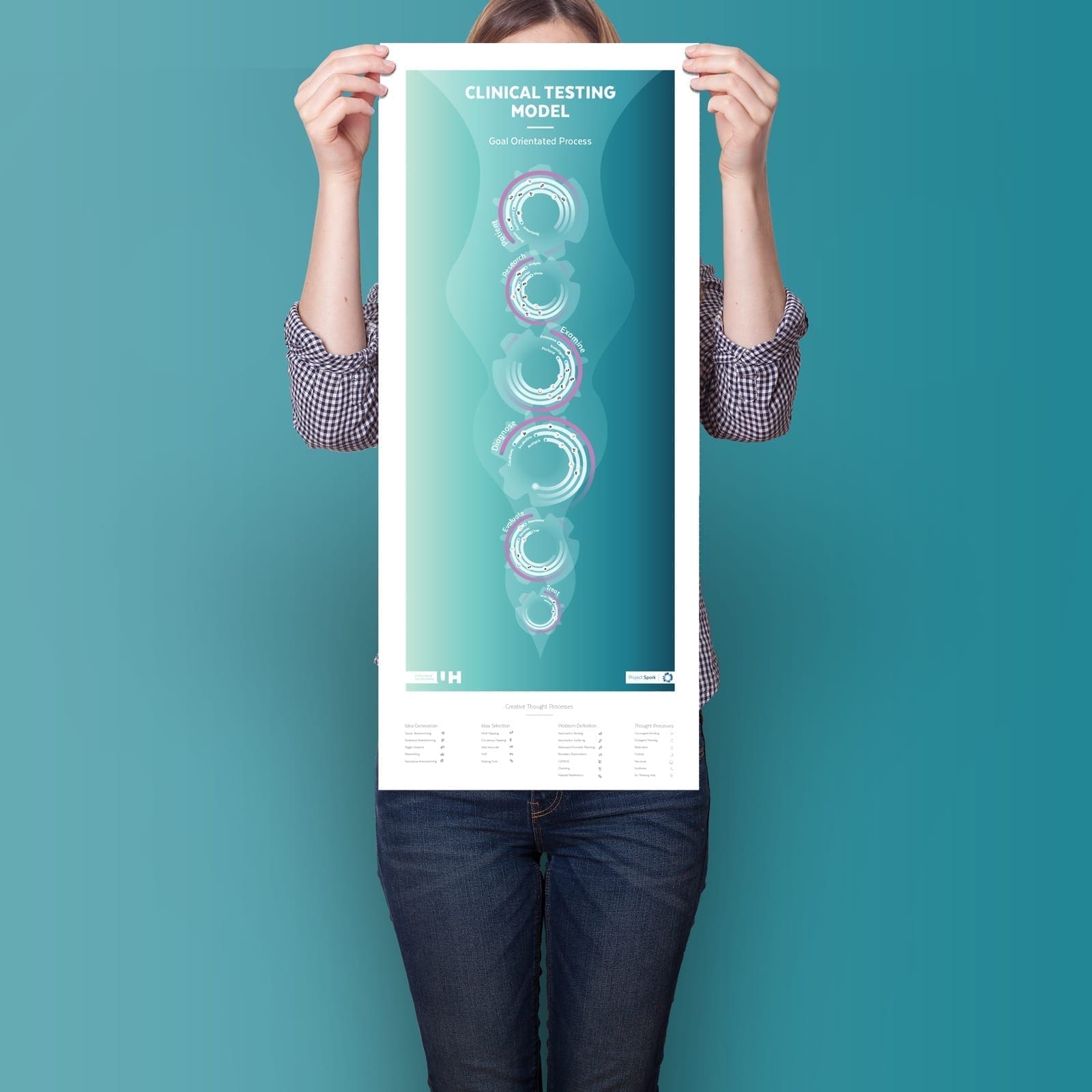
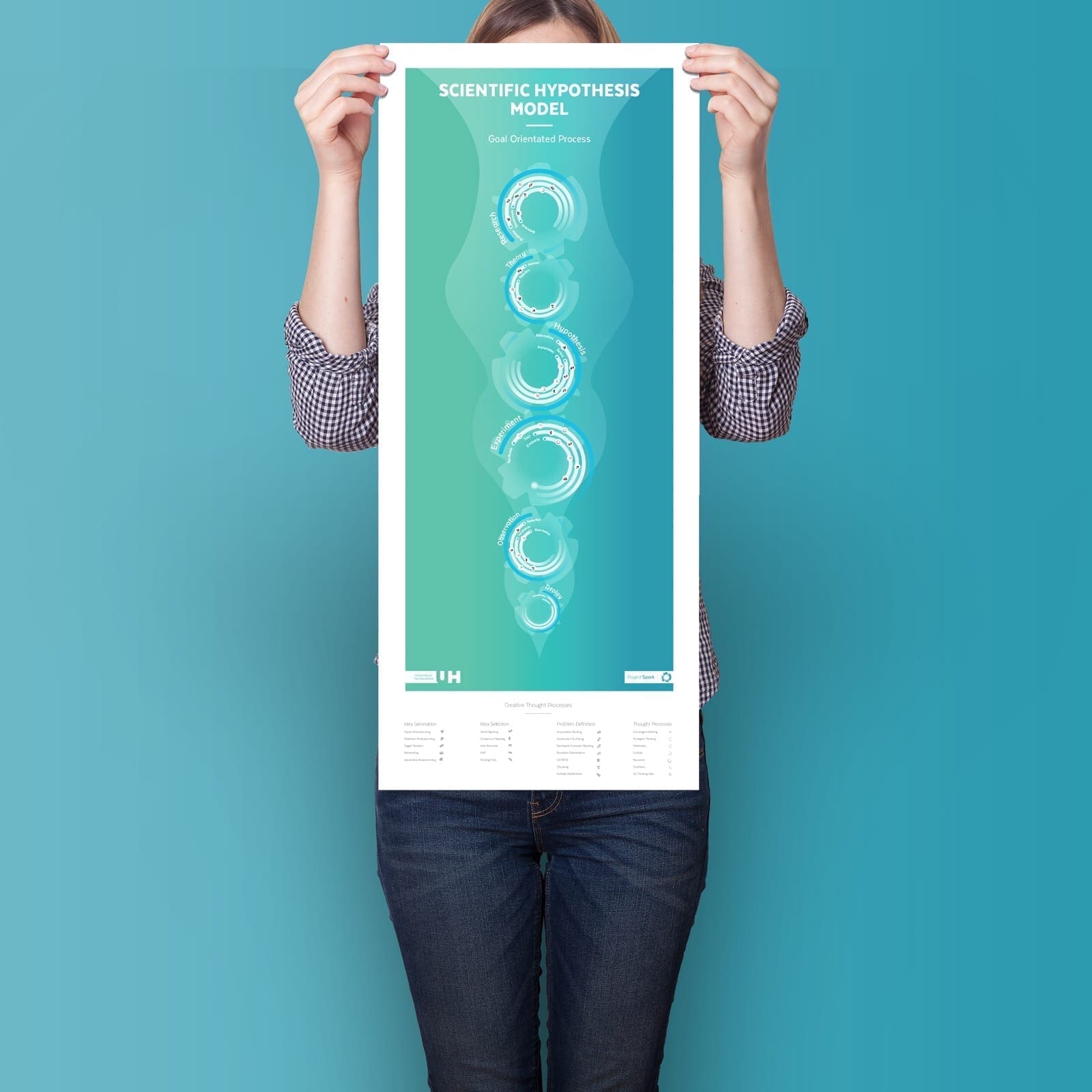
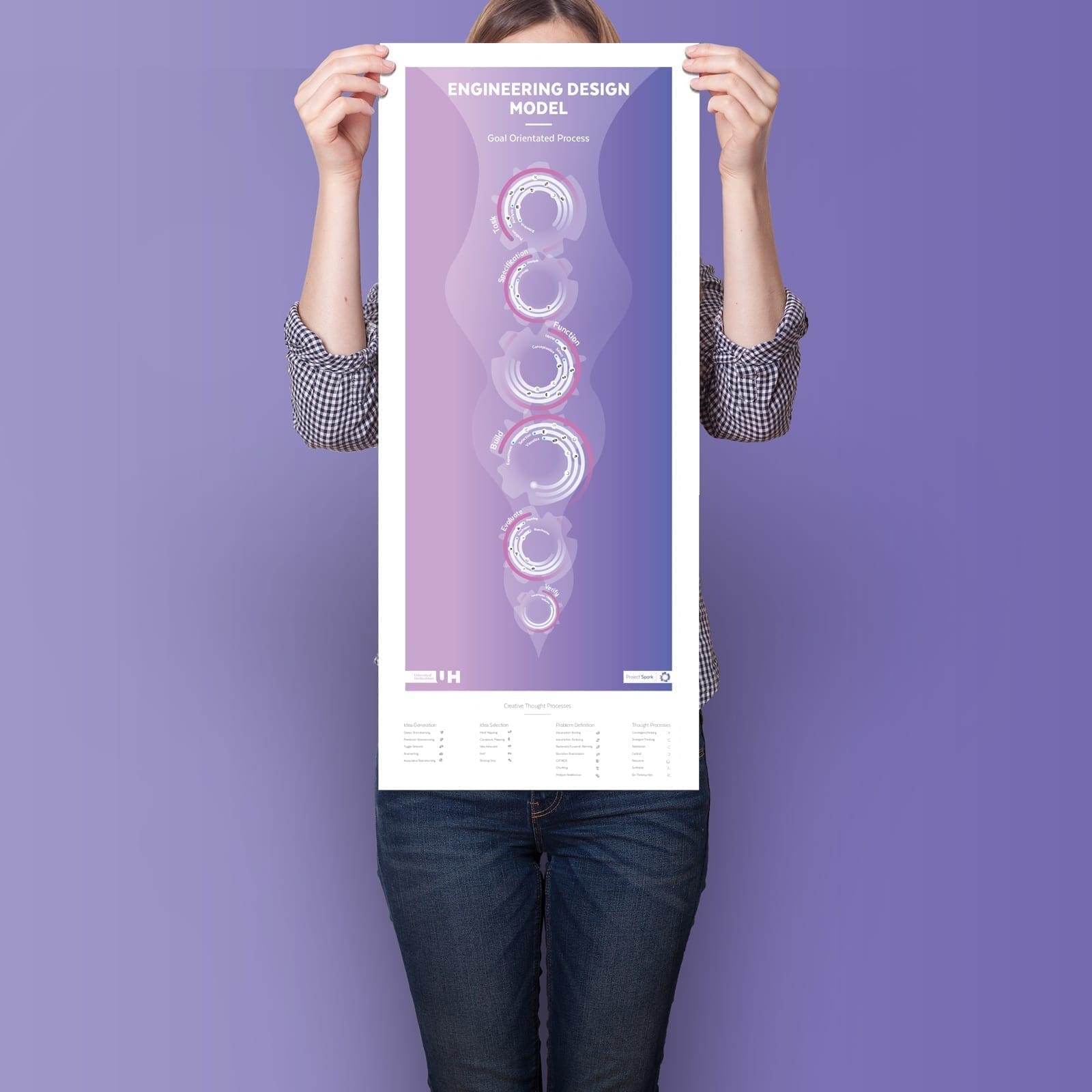
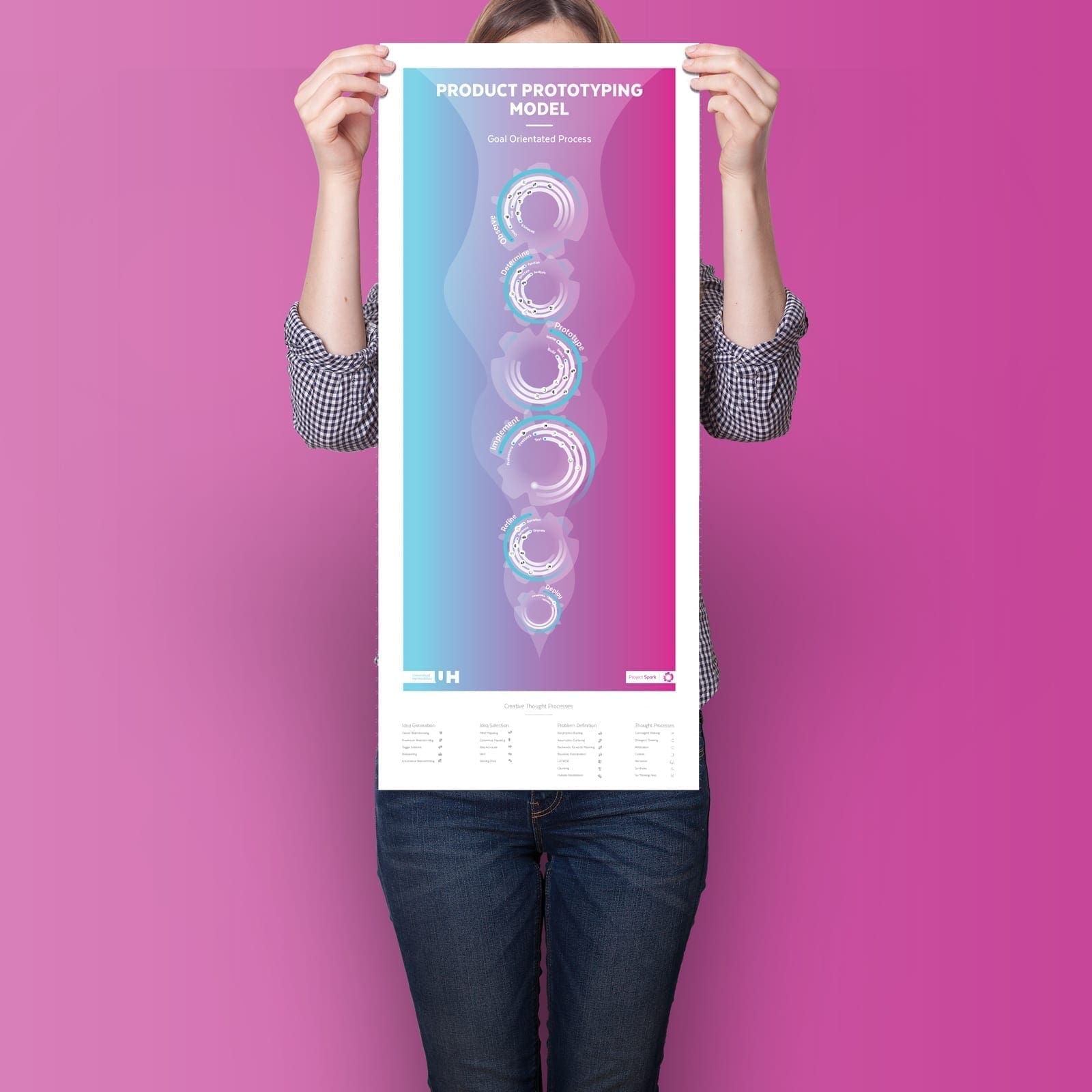
We developed "Project Spark," a flexible identity system that offers tailored creative process models for specific academic fields.

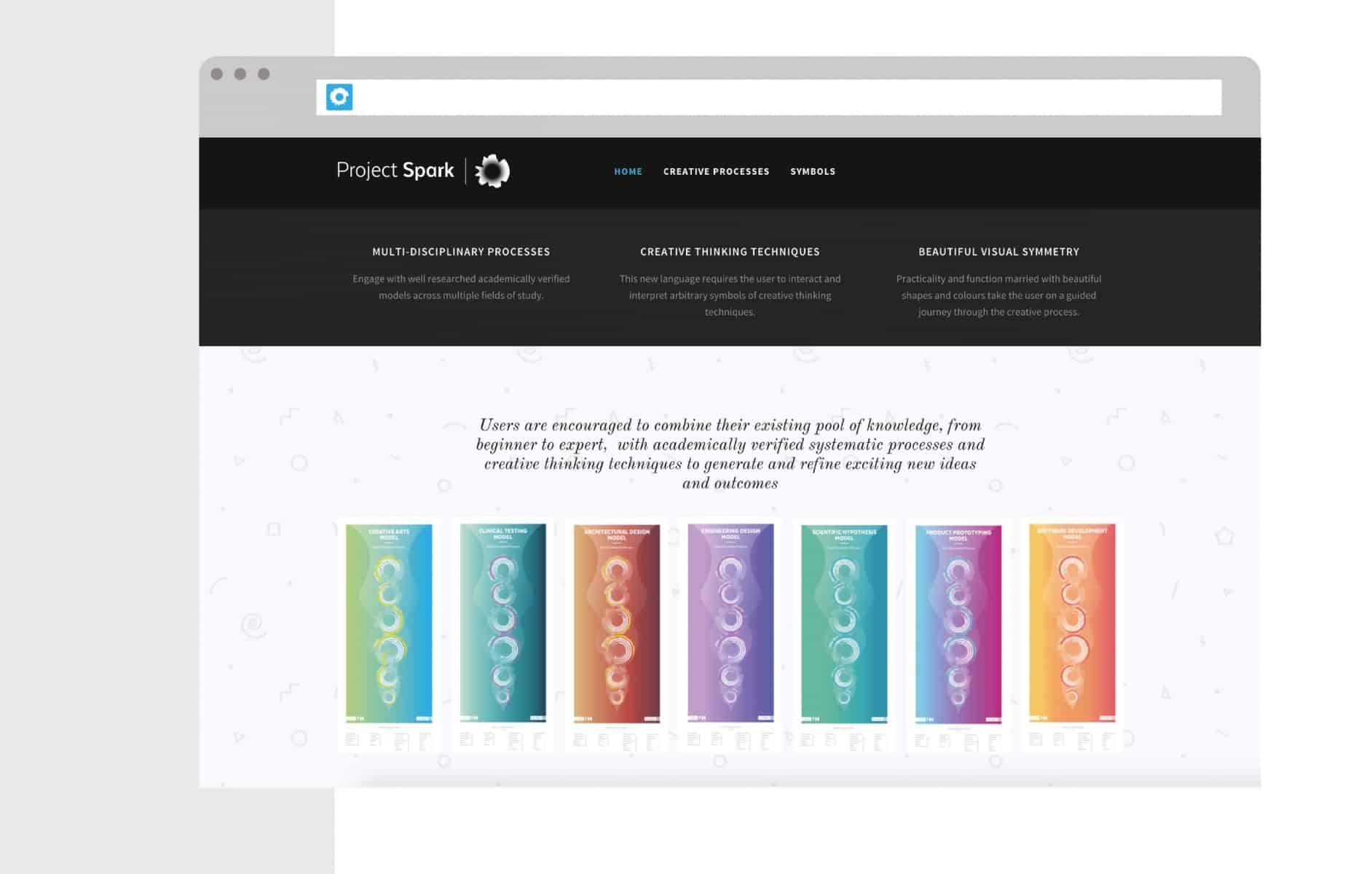
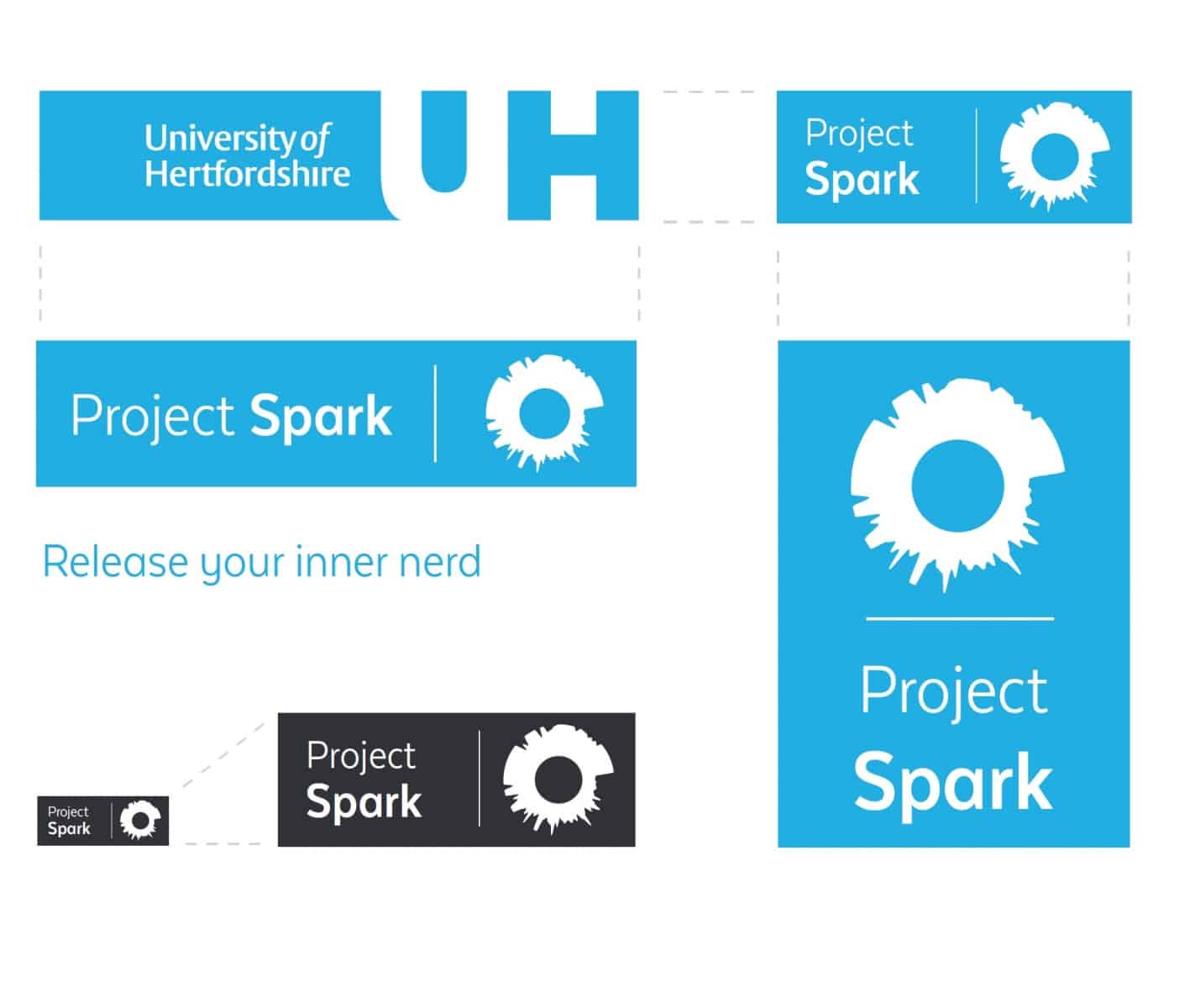
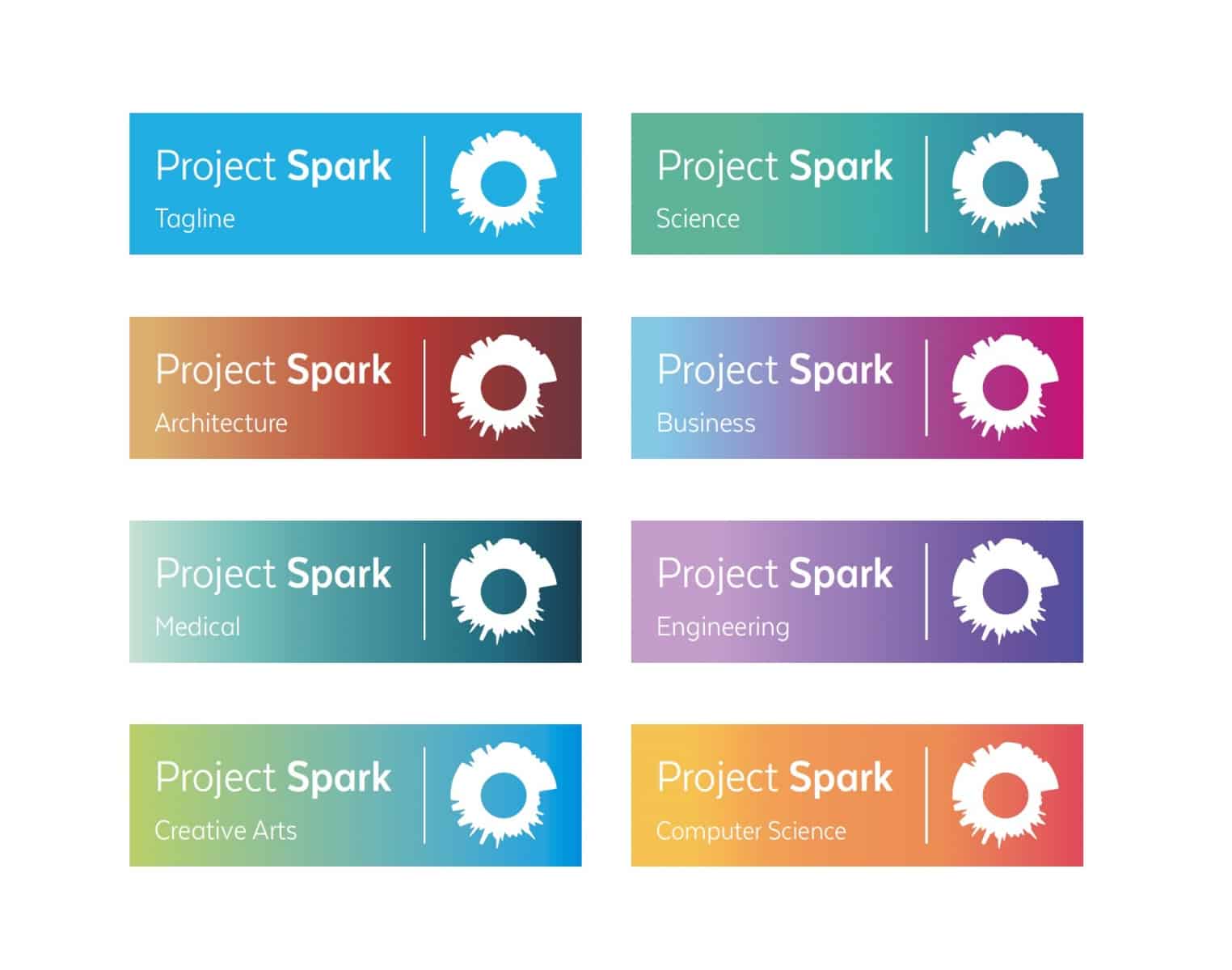
The core concept visualises a "spark" as an ignition point, using jagged lines to represent the cognitive fluctuation between divergent and convergent thinking. Recognising that students in different fields perceive visual appeal differently, we designed the system to be modular. The brand booklet and assets were structured to allow for specific adaptations—ensuring that a medical student and an engineering student both received a process model that resonated with their specific workflow, yet remained part of the same visual family.

The Process

The design methodology was grounded in extensive research, prioritizing functional utility and social integration over static information.

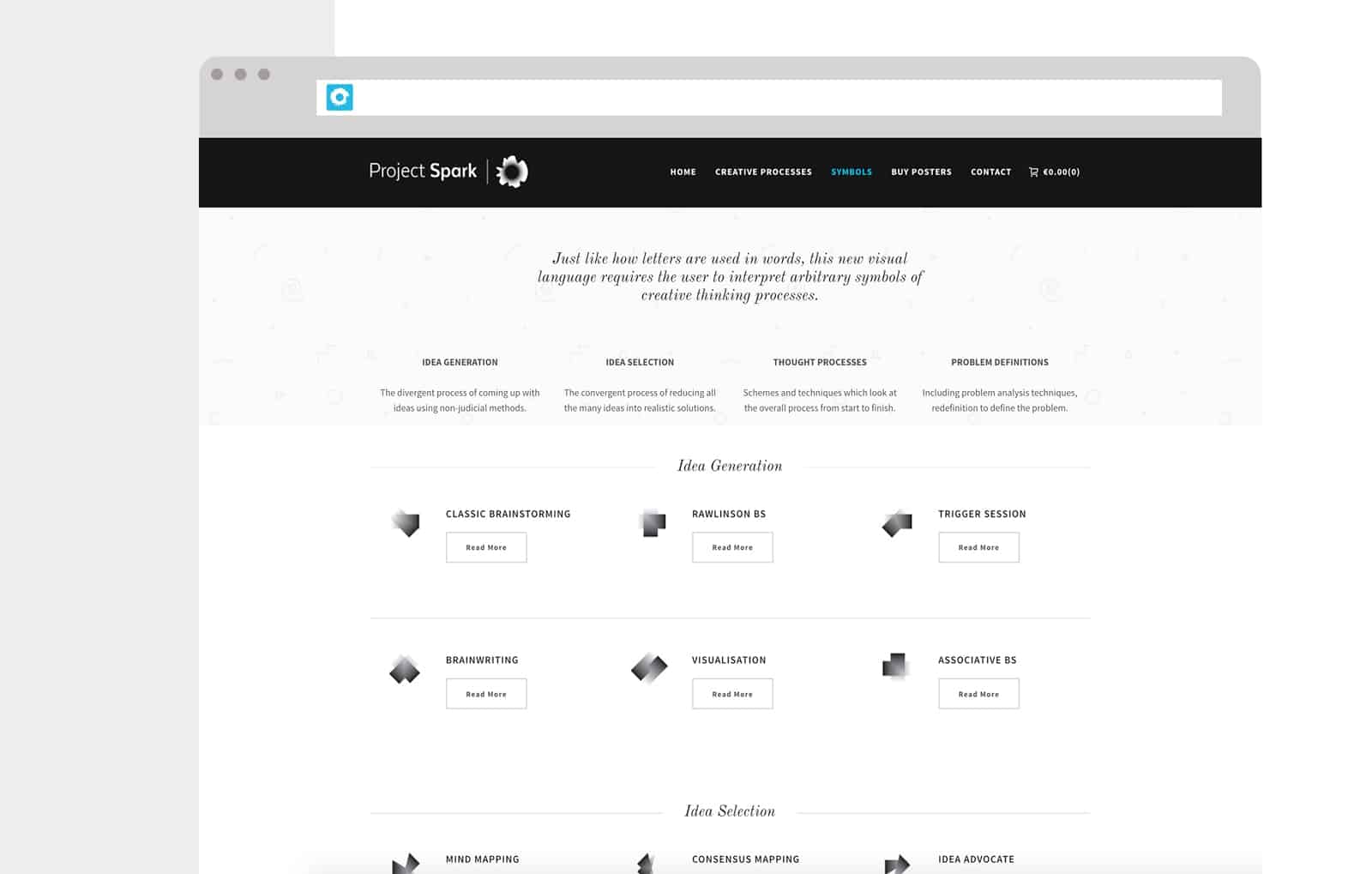
We began by analysing the specific requirements of the University’s diverse departments to ensure the work had "meaning" and wasn't just stylistically imposed. Following the research phase, we translated the physical poster concepts into an interactive web interface. This digital platform was engineered not just to display information, but to facilitate social integration and teamwork, allowing users to actively manage problem-solving tasks and report on their creative output.